
Demystifying SEO: A Small Business Owner’s Guide to Ranking Higher and Getting More Customers
Alright, let’s be real. You’ve got a fantastic product or service – maybe the best sourdough in town, or a plumbing expertise that could rival Poseidon himself. But if potential customers can’t find your small business online, it’s like throwing an epic party and forgetting to send out the invites. This, my friends, is where Search Engine Optimization, or SEO, waltzes in.
Now, I know what you’re thinking. “SEO? Isn’t that some dark art practiced by tech gurus in silicon valleys, reserved only for Amazon and the like?” For many small business owners, the very word ‘SEO‘ sounds about as appealing as an unsolicited tax audit – complex, expensive, and intimidating. You’re probably wondering how your humble operation could possibly compete with the corporate giants for online visibility.
Cue dramatic pause and a reassuring wink.
Here’s the hot take: SEO isn’t just for the big players. In fact, a savvy small business SEO strategy can be your actual superpower, allowing you to connect directly with your local community and those customers who are actually looking for you. This isn’t about global domination; it’s about neighborhood VIP status. This guide is here to demystify the beast, breaking down actionable steps you can snag right now to improve your online visibility, attract more customers, and, yes, finally grow that business. Let’s dive in, buttercup! 🚀
Understanding the SEO Landscape for Small Businesses
Before we start tinkering, let’s get our heads around the “what” and “why.” Think of SEO as being the most popular kid in the digital playground. It’s the practice of optimizing your website and online presence so that when someone types “best coffee shop near me” or “plumber in [your city]” into Google (or Bing, if you’re feeling retro), your small business is shouting, “OVER HERE! I’M THE ONE YOU’RE LOOKING FOR!” from the top of the search results.
For us smaller fish in the big digital pond, small business SEO often has a decidedly local flavor. Your goal isn’t necessarily to become the national darling for “coffee shop” (unless you’re brewing liquid gold, in which case, call me), but rather to be the undeniable answer for folks searching for your specific deliciousness or indispensable service within your geographic area. This local focus? That’s our secret weapon. It’s where small businesses can truly flex their muscles and even outmaneuver larger competitors who are busy trying to impress everyone, everywhere. Focus local, win big. You feel me?

The Foundational Pillars of Small Business SEO
Alright, let’s build something beautiful. Think of your SEO strategy like constructing a house. You wouldn’t start hanging framed cat posters before you’ve laid a solid foundation, right? These next bits are the non-negotiables, the core elements every small business needs to master to improve its online presence. Don’t skip these steps unless you want your digital house to be a sad, flimsy tent.
1. Local Keyword Research: Speak Your Customers’ Language
This is where the magic begins, where we try to get inside the heads of your potential customers without needing any psychic abilities (though, wouldn’t that be a time-saver?). You need to understand what keywords and phrases they’re actually typing into those search bars. For small businesses, understanding local intent is paramount for effective local SEO.
- Brainstorm “Seed” Keywords: Start with the obvious. What do you do? “Bakery,” “yoga studio,” “electrician.” Easy-peasy.
- Add Local Modifiers: Now, sprinkle in your location like glitter on a craft project. “Bakery in [Your City],” “yoga studio downtown,” “electrician near me.” My 7-year-old even knows to ask for “pizza near me” when her stomach rumbles.
- Think About Services/Products: Get specific. If you’re a bakery, people aren’t just searching for “bread.” They might be after “custom cakes [Your City]” or “gluten-free bread [Your City].”
- Unleash the Free Tools (They’re not spies, I promise!):
- Google Autocomplete & “People Also Ask”: Type your keywords into Google and watch the suggestions pop up. It’s like Google is finishing your sentences! Peek at the “People Also Ask” box for common conundrums.
- Google Keyword Planner: Yes, it requires a Google Ads account, but it’s free for keyword research. It’s like having a crystal ball for search volume.
- Competitor Analysis: Play detective. See what keywords your local rivals are ranking for. If they’re doing something right, learn from it!
- Focus on Long-Tail Keywords: These are the verbose beauties – longer, more specific phrases (e.g., “affordable emergency plumber [Your City]“). They might not have millions of searches, but the people typing them in know exactly what they want. Higher intent equals higher conversion, baby!
Tip: Don’t just guess what your customers are looking for. Go on a data-driven adventure! Otherwise, you’re just yelling into the digital void, and nobody wants that. This is foundational to your small business SEO success.
2. Google Business Profile (GBP) Optimization: Your Digital Storefront
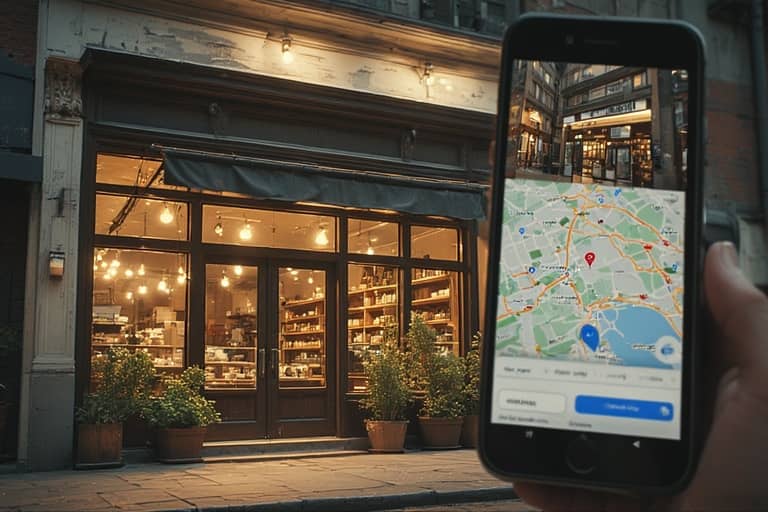
If your small business had a digital heart, it would be your Google Business Profile (formerly Google My Business). This, my friends, is arguably the single most important SEO tool for any local small business. It’s what gets you into Google Maps, that coveted local 3-pack (you know, the businesses that show up under the map), and that neat little knowledge panel on the right side of search results. Treat it like your business’s online dating profile – make it shine!
- Claim and Verify Your Profile: If you haven’t done this, stop reading and do it now. Seriously. Google usually sends a postcard with a secret code to your physical address. It’s like a digital quest for local SEO.
- Complete Every Section: This isn’t a suggestion; it’s a command for strong GBP optimization!
- Accurate Name, Address, Phone (NAP): Consistency is key here. Make sure this info is identical everywhere online. Google gets confused easily, like your grandpa trying to use a smart TV remote.
- Business Categories: Pick the most specific primary category and then add any relevant secondary ones. Don’t be shy!
- Business Hours: Keep ’em updated. Nothing’s worse than driving somewhere only to find it closed (except maybe realizing you left your wallet at home).
- Website Link: Duh. Send them to your digital home.
- Services/Products: Spill the beans on everything you offer.
- Description: Write a compelling, keyword-rich overview. Think of it as your elevator pitch, but for search engines.
- Upload High-Quality Photos: Interior, exterior, product shots, team photos – show off your business like it’s prom night! Google says businesses with photos get more requests for directions and website clicks. Science!
- Encourage and Respond to Reviews: Positive reviews are pure gold for local SEO and building trust. Respond to all reviews – the good, the bad, and the “my coffee was only pretty good” – professionally and promptly. It shows you care, even if you’re secretly rolling your eyes.
- Use GBP Posts: Treat these like mini-social media updates directly on Google. Announce specials, events, new products, or even link to your latest blog post. It keeps your profile active and tells Google, “Hey! We’re still here and doing cool stuff!”
Action: Go to business.google.com right now and audit your profile. Your future self (and bank account) will thank you, and it’s vital for ranking higher.
3. On-Page SEO Basics: Optimizing Your Website Content
Alright, now we’re getting under the hood of your website itself. This is the stuff you control directly on your digital turf. Make it search engine-friendly, or Google will just shrug its digital shoulders and move on. This is crucial for on-page SEO.
- Mobile-Friendliness: This isn’t a luxury; it’s a necessity. More than half of all web traffic comes from mobile devices, and Google uses mobile-first indexing. Meaning, if your website looks like a hot mess on a smartphone, Google might just pretend it doesn’t exist. Ensure your website is responsive and easy to navigate for those thumb-scrolling masses.
- Website Speed: Users (and Google) have the attention spans of squirrels. If your website loads slower than a dial-up modem, they’re gone. Optimize images, use caching, and pick a reliable web host. Tools like Google PageSpeed Insights are your friends here – they’ll tell you what’s bogging you down.
- Clear Website Structure: Organize your content logically. Think of it like a well-labeled filing cabinet. Users and search engines should easily understand what each page is about.
- Title Tags & Meta Descriptions: These are your website’s pickup lines in search results.
- Title Tag: This is the clickable headline. Make it catchy, include your main keyword, and your business name. Keep it under 60 characters, or Google might cut it off mid-sentence (awkward!).
- Meta Description: This is the short blurb under the title. Write a compelling summary that makes people want to click. It’s not a direct ranking factor, but a good one is like a shiny lure in a sea of fish.
- Header Tags (H1, H2, H3): Use H1 for your main page title (one per page, please!). Use H2s for main section headings and H3s for sub-sections. Think of it as outlining your content. Sprinkle keywords naturally in these headings, but don’t force it – nobody likes a keyword-stuffed turkey.
- High-Quality, Relevant Content: This is still king, queen, and the entire royal court! Each page should provide genuine value and thoroughly address its topic.
- Integrate Keywords Naturally: Write for your users first! Then, make sure your target keywords are present, especially in that all-important first paragraph. No keyword stuffing, or Google will send you to the digital naughty corner.
- Answer Customer Questions: What do your customers frequently ask? Turn those questions into engaging content. You’re not just selling; you’re educating!
- Location-Specific Pages: If you’re serving multiple towns or neighborhoods, consider creating specific landing pages for each. Optimize them with local keywords, and voilà – instant neighborhood hero.
- Image Optimization: Compress those images, folks! Big files slow down your site. And crucially, use descriptive
alt textfor every image. Describe what the image is (e.g., “freshly baked gluten-free bread from [Your City] bakery”) and include keywords where it makes sense. It helps visually impaired users and, you guessed it, search engines. - Secure Your Site with HTTPS (SSL Certificate): This encrypts data, making your site secure. Google absolutely favors secure websites (it’s like wearing pants to a meeting – just good practice), and modern browsers will literally warn users if your site isn’t secure. Don’t scare your customers away!
Beyond the Basics: Growing Your Small Business’s Online Presence
Okay, you’ve laid the foundation, your digital house is looking spiffy. Now, let’s level up and build some serious authority. It’s time to become the local digital superstar and ensure your small business is always front and center.
4. Local Link Building: Earning Trust and Authority
Think of backlinks (links from other websites to yours) as votes of confidence or digital high-fives. The more high-quality, relevant backlinks you have, the more Google thinks your site is a big deal. For small businesses, local links are like winning the neighborhood popularity contest – super valuable for local SEO!
- Local Directories: Get your business listed on reputable local directories (Yelp, Yellow Pages, local chambers of commerce, industry-specific sites). And again with the NAP consistency! Don’t make me bring out the Google grandpa analogy again.
- Local Partnerships: Collaborate with other local businesses. Can you write a guest blog post for them? Or maybe they feature your amazing products in an article? It’s like a digital buddy system that helps with link building.
- Sponsorships & Community Involvement: If you sponsor a local sports team, school event, or charity, ask for a link back to your website from their “sponsors” page. It’s good karma and good SEO.
- Testimonials & Reviews: Offer to give a glowing testimonial for a local supplier or partner you love. They might just return the favor with a link! It’s like a compliment sandwich that comes with SEO benefits.
- Broken Link Building: This is playing digital detective. Find broken links on local websites (e.g., a local news site’s old article) and then charmingly suggest your fantastic, relevant content as a replacement. Sneaky, yet effective for acquiring backlinks!
5. Content Marketing for Small Businesses: Becoming a Local Authority
Content is your chance to shine, to demonstrate your expertise, and to attract users who aren’t just searching for your service, but also looking for solutions. A blog, my friends, is your soapbox, essential for effective content marketing for small businesses.
- Answer FAQs: Turn those “how do I…?” or “what’s the best…?” questions you get daily into blog posts (e.g., “5 Signs You Need a Roof Repair in [Your City],” “Best Dog Parks in [Your City]“). Position yourself as the oracle of knowledge.
- Local Guides: Create content that’s genuinely helpful to your local community (e.g., “A Guide to Fall Festivals in [Your City],” “Top 10 Date Night Spots in [Your Neighborhood]“). This isn’t just self-promotion; it’s community service, positioning you as a local resource.
- “How-To” Guides: If you’re a plumber, write about “How to Fix a Leaky Faucet (Without Flooding Your Kitchen).” If you’re a baker, “How to Store Fresh Bread (So It Doesn’t Become a Rock).”
- Showcase Your Work: Use case studies or before-and-after posts with high-quality photos. People love a good transformation story!
- Video Content: Don’t shy away from video! Short, informative clips (e.g., “Meet the Team,” “Behind the Scenes,” “Product Demos”) can engage your audience and perform well on platforms like YouTube (which, by the way, is also a search engine!).
- Repurpose Content: Don’t let your brilliant content just sit there! Turn a blog post into social media snippets, an infographic, or a short video. Give it new life!
Consistent, valuable content not only attracts search engine traffic but also builds trust and positions your small business as the undisputed expert in your field. Go on, be the local guru!

Monitoring and Adapting Your SEO Strategy
SEO isn’t a “set it and forget it” kind of deal, like a crockpot dinner (though I love those). It’s an ongoing process that requires patience, monitoring, and adaptation. Think of it as checking your grades every semester.
- Google Analytics: This free tool is like having eyes everywhere. It helps you understand who’s visiting your website, how they got there, what pages they’re stalking, and how long they stick around. It’s your digital spy for your online presence.
- Google Search Console (GSC): Another free and absolutely essential tool. GSC shows you how Google views your site. It spills the beans on what keywords you’re ranking for, any technical glitches Google finds, and how many clicks your listings actually get. Treat it like Google’s direct message to you.
- Track Your Rankings: Keep an eagle eye on your target keywords. Are you climbing the ladder or sliding down the snake? Knowing helps you adjust your SEO strategy.
- Analyze Competitors: What are your local competitors doing well? What keywords are *they* ranking for? What kind of content are *they* churning out? Learn from them, then do it better.
- Stay Updated: Search engine algorithms change constantly. It’s like trying to keep up with TikTok trends. Keep an eye on reputable SEO news sources to stay informed about major updates. Don’t get caught flat-footed!
Navigating the world of SEO can feel daunting, like trying to assemble IKEA furniture with missing instructions. But by focusing on these foundational and ongoing strategies, your small business can significantly improve its online visibility. Remember, the core of effective SEO is actually pretty simple: provide value to your users, and make it easy for search engines to understand what you do and where you do it.
So, start with the basics: optimize that Google Business Profile (seriously, go do it!), ensure your website is fast and mobile-friendly, and begin creating content that answers your customers’ burning questions. Be patient, be consistent, and never stop learning. With a focused effort, your small business will not only climb those search engine ranks but also attract more of the right customers, leading to sustainable growth and success. You’ve got this. Now go forth and conquer the internet, one local search at a time! 💪